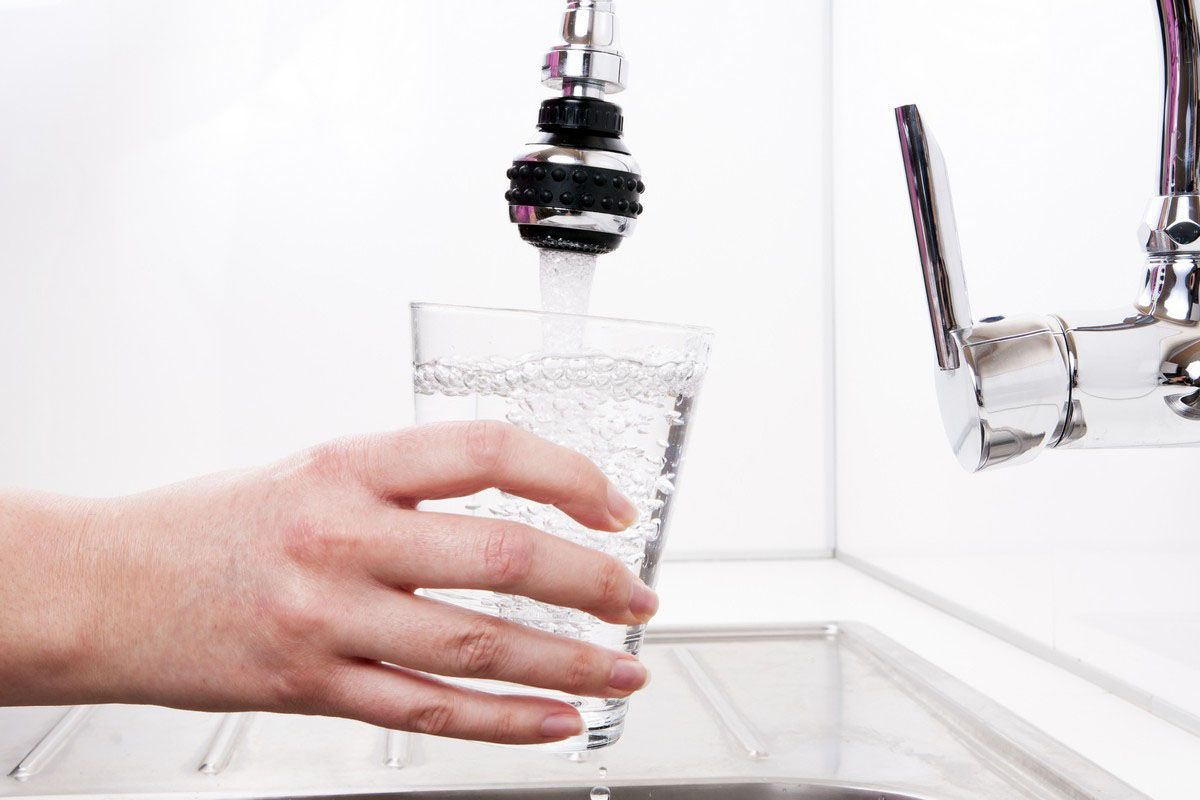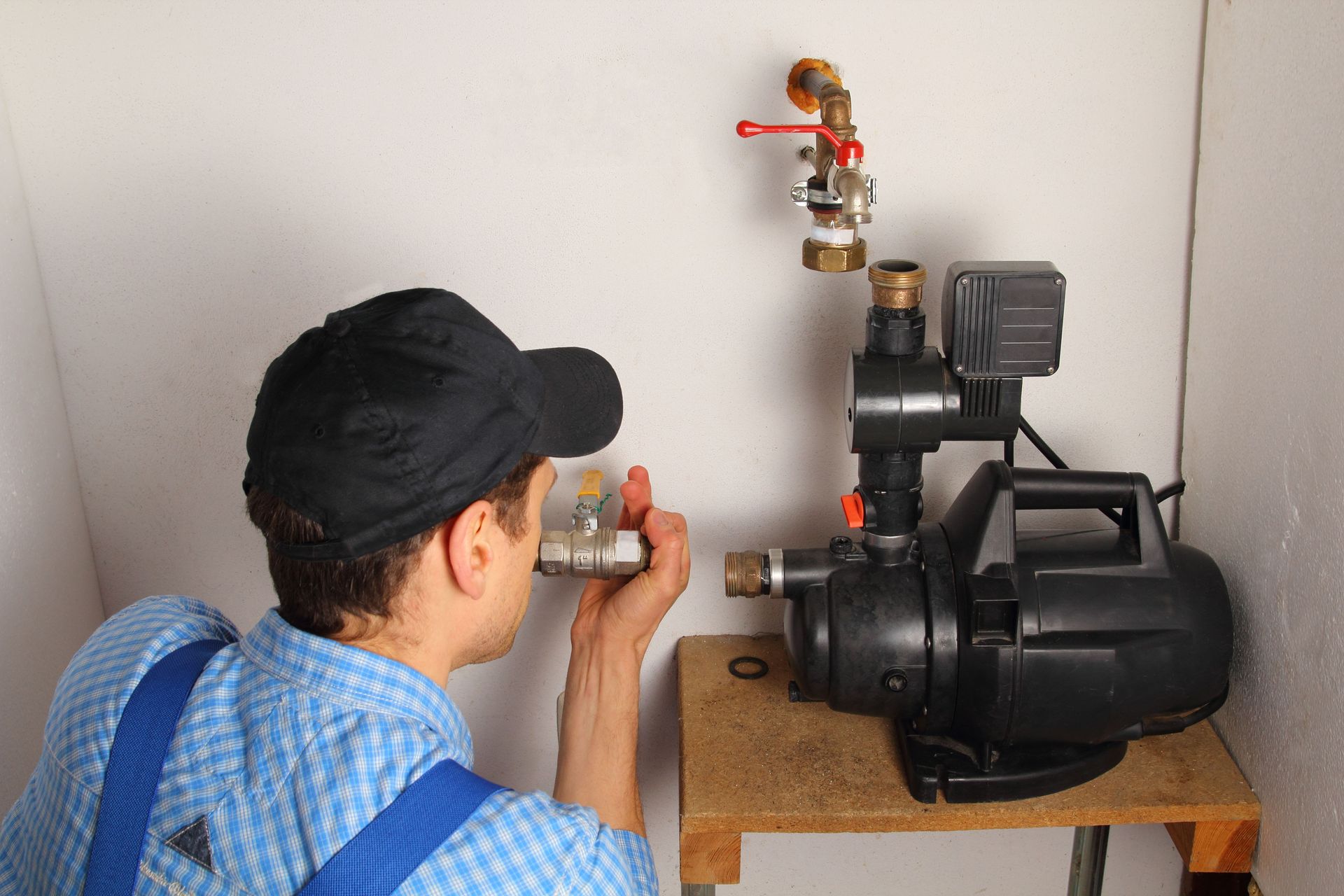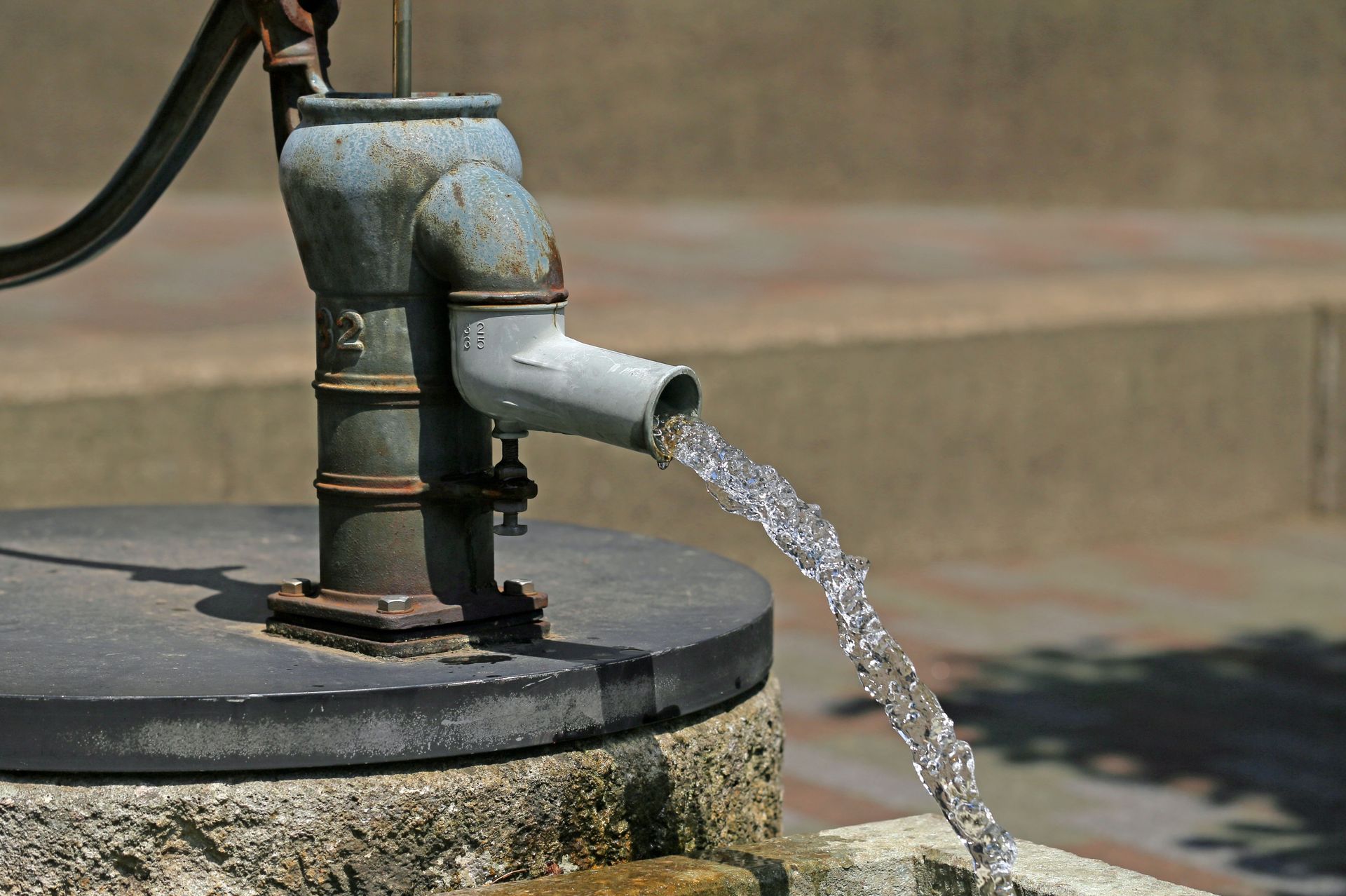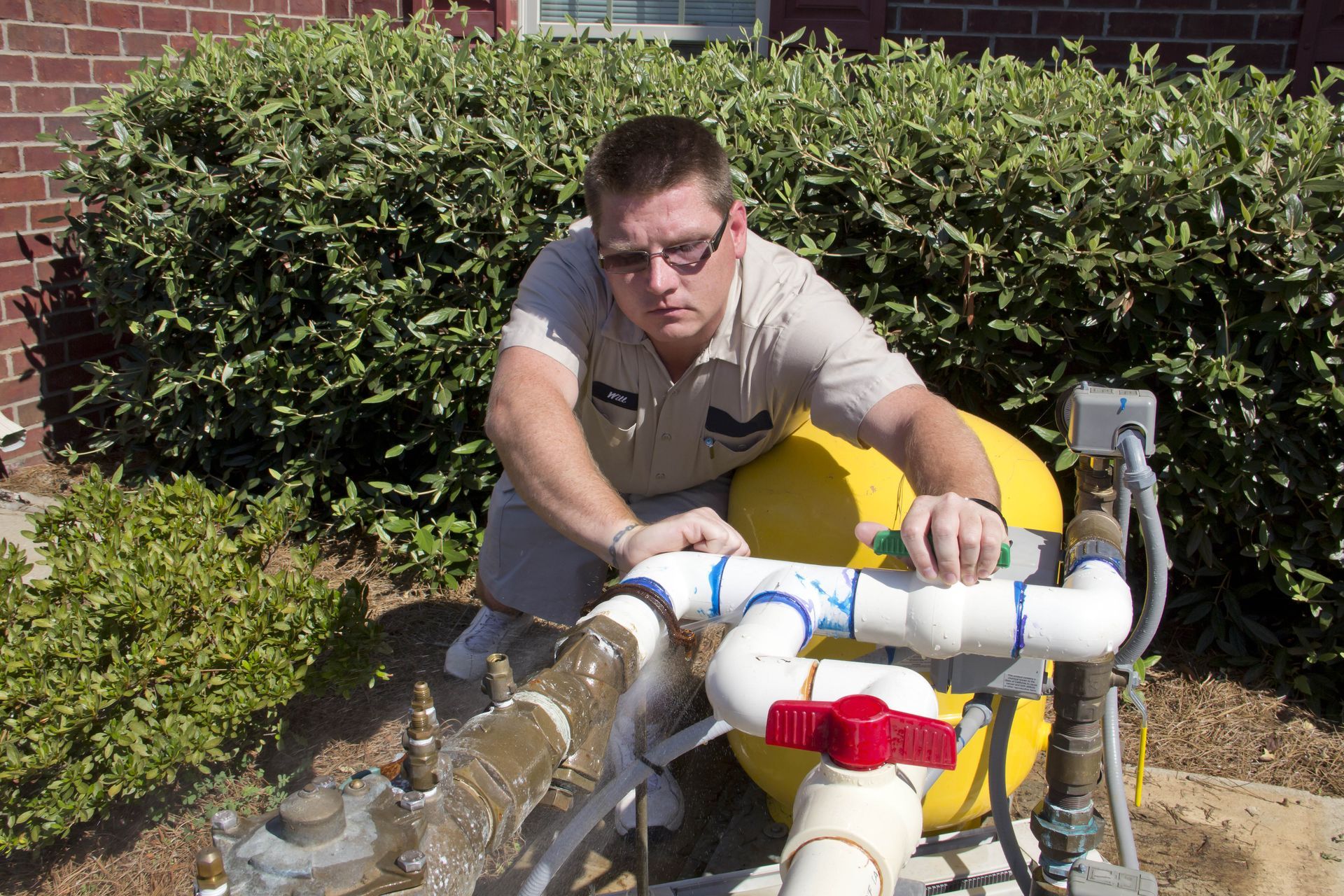
Water well maintenance is an essential aspect of managing private water sources and ensuring the ongoing provision of safe drinking water. Despite the hidden nature of a well beneath the ground, its maintenance is crucial to sustain both water quality and the infrastructure itself. Investing in regular water well maintenance not only ensures the safety of the water supply but also enhances the longevity and efficiency of the well system. Through a comprehensive approach to maintenance, potential health hazards and severe financial burdens can be avoided. An exploration of the following reasons will detail why investing in water well maintenance is a prudent decision for any well owner.
1. Ensure Safe Drinking Water
Prevent Contaminants
Regular water well maintenance plays a pivotal role in preventing contaminants from entering the water supply. Over time, the environment surrounding a well can introduce harmful bacteria, chemicals, and other pollutants into the aquifer. By performing routine checks and maintenance, potential entry points for contaminants can be identified and addressed. This proactive approach ensures that the water remains clean and safe for consumption. Not only does this safeguard the health of individuals using the water, but it also preserves the well's functionality for years to come.
Early Detection of Problems
Routine maintenance allows for the early detection of potential issues that could impact water safety. Inspectors can identify minor problems such as small leaks or bacterial buildup before they escalate into significant concerns. By addressing these issues promptly, well owners can avoid more severe problems that may result from neglect. Early detection is especially crucial in areas where underground contamination is prevalent, requiring vigilant oversight. Such preventative measures ensure the consistent delivery of safe drinking water.
Compliance With Regulations
Maintaining compliance with local regulations regarding water safety is another significant reason for regular water well maintenance. Various regulations dictate the standards for water quality and the structural integrity of wells. By adhering to these regulations through consistent maintenance, well owners can avoid legal liabilities and fines. Expert maintenance services are often familiar with these regulations and can provide the necessary certification to ensure compliance. This compliance reinforces the commitment to providing safe drinking water to community members.
Testing Water Quality
Water quality testing is a critical component of a maintenance regimen. Regular tests provide insightful data on the chemical and microbial composition of the water. This information allows for informed decisions about necessary treatments or interventions to maintain water quality. Testing can reveal the presence of iron, nitrate, bacteria, or other contaminants that require removal. By keeping up with these evaluations, well owners can ensure their water remains crystal clear and safe for all uses.
Avoiding Health Risks
The importance of maintaining water wells cannot be overstated when it comes to avoiding health risks. Waterborne illnesses such as cholera and dysentery are prevalent in poorly maintained water systems. Regularly cleaned and maintained wells significantly reduce the risks of spreading these diseases by ensuring the water consumed is of high quality. Additionally, for homes that rely solely on well water, keeping up with maintenance means protecting the health of all its residents. Thus, investment in maintenance translates directly into safeguarding community health.
2. Extend the Lifespan of the Well
Regular Inspections
Regular inspections play a crucial role in extending the lifespan of a water well. Such inspections aim to identify and repair wear and tear before it can cause severe damage. Frequent examination of the mechanical components, including pumps and pipes, ensures they remain in pristine condition. When signs of aging are noticed early, repairs or part replacements can be carried out efficiently. As a result, the well can continue to serve its purpose without interruption, often extending its functional lifespan well beyond the expected timeframe.
Timely Repairs
Timely repairs during the water well maintenance process are vital in preventing further damage and ensuring longevity. Small issues such as leaks or deteriorating seals can develop into significant problems if not addressed promptly. Regular maintenance visits provide the perfect opportunity to perform these repairs, preserving the structural integrity of the well. By keeping the system in good repair, the water well can remain operational and efficient for many years. Consequently, investing in routine maintenance is an investment in the well's durability.
Upgrading Parts
As part of maintenance, aging components of the water well system are often upgraded to boost performance and reliability. Over time, mechanical parts are subject to degradation due to continuous wear and tear. Replacing these outdated parts as part of a regular maintenance schedule ensures continued optimal function. Upgraded parts often bring improvements in energy efficiency and reliability, resulting in more consistent water delivery. This proactive approach to maintenance reduces the likelihood of sudden system failures.
Monitoring Water Levels
Monitoring water levels is another integral aspect of well maintenance crucial for extending the lifespan of a well. Over-extraction of water can drastically reduce the water levels in an aquifer, potentially damaging the well's structure. By keeping a close eye on water levels, users can adjust consumption patterns to conserve water and protect the well. Regular assessment of water tables ensures sustainable usage and prevents premature depletion of the well's water supply. This sustainability helps guarantee the well remains productive for the long term.
3. Maximize Cost Efficiency
Reducing Major Repairs
One of the greatest benefits of regular water well maintenance is the reduction in likelihood of expensive major repairs or replacements. When minor issues are left untreated, they can escalate into severe problems requiring costly interventions. However, regular maintenance addresses these issues early on, mitigating the need for comprehensive repairs. This proactive approach significantly diminishes long-term expenses associated with well ownership. It's a financially wise decision to invest in maintenance before problems become extensive and expensive.
Energy Efficiency
Energy efficiency is another cost-saving advantage of a well-maintained water system. A properly maintained well and pump system operate more efficiently, using less energy to deliver water. This efficiency translates into lower operational costs and a smaller environmental footprint. By ensuring the mechanical components are in optimal condition, energy consumption is minimized, and performance is maximized. Investing in regular maintenance is therefore not only environmentally responsible but also economically prudent.
Optimizing Water Usage
Maintenance also plays a role in optimizing water usage, contributing to overall cost savings. Properly maintained wells can deliver consistent water pressure and flow, preventing waste. Techniques such as checking for leaks and installing efficient water delivery systems reduce unnecessary consumption. According to the National Ground Water Association, approximately 500,000 new residential wells are constructed annually, emphasizing the need for conservation as home reliance on well water grows. Such optimization not only conserves water but also reduces the financial burden of excessive water use.
Avoiding Emergency Costs
Emergency repair costs can be a significant financial burden for well owners, making regular maintenance a cost-effective alternative. Sudden breakdowns not only disrupt water supply but also require immediate and often costly interventions to resolve. By investing in planned maintenance, the risk of these emergencies is significantly reduced. This strategic foresight ensures water supply continuity and shields owners from unexpected financial strain. Emphasizing preventive maintenance is a sound strategy for managing and mitigating emergency-related expenses.
These reasons clearly illustrate the critical importance of investing in water well maintenance. Prioritizing regular maintenance ensures the safety, longevity, and efficiency of water supply systems. From safeguarding drinking water quality to enhancing cost savings and environmental responsibility, maintenance plays a vital role in sustainable water management. If you're looking for reliable maintenance, look no further than the experts at The Well Guy. We can get you started today with a free estimate!