By Dalton Muir
May 4, 2026
For homeowners in Sycamore and DeKalb, Illinois, groundwater quality is a central concern in daily life. Whether you are washing dishes, taking a shower, or pouring a glass of water for dinner, the composition of what comes out of your tap dictates your health, the longevity of your plumbing, and your overall quality of life. However, many property owners remain confused about the specific terminologies used to describe water quality issues. Two of the most common—yet vastly different—problems are hard water and contaminated water. While they may sometimes overlap in their symptoms, understanding the nuances between mineral-rich "hard" water and dangerous "contaminated" water is the first step toward maintaining a healthy home. Navigating these complexities requires more than just guesswork; engaging a professional water well service is essential to accurately diagnose what is happening beneath the surface of your property.
Understanding the Mechanics of Hard Water
Hard water is perhaps the most frequent complaint among well owners in the Midwest. By definition, hard water is water that contains high concentrations of dissolved minerals, primarily calcium and magnesium. As groundwater travels through soil and rock layers, it naturally dissolves small amounts of these minerals and carries them into your well. In regions like Sycamore, where the geological makeup is rich in limestone and dolomite, hard water is almost an inevitability. While it is generally not considered a direct health hazard to drink, its impact on your home’s infrastructure and your personal comfort can be significant and costly.
One of the most visible signs of hard water is the white, crusty buildup known as limescale that appears on faucets, shower heads, and inside kettles. This scale is more than just an aesthetic nuisance; it acts as an insulator in water heaters, forcing the unit to work harder and reducing its energy efficiency. Over time, this mineral accumulation can also narrow the diameter of your pipes, leading to reduced water pressure and eventual clogs. Beyond the plumbing, hard water reacts poorly with soap, creating "soap scum" rather than a rich lather. This results in hair that feels brittle, skin that feels itchy or dry, and laundry that looks dull or feels stiff. If you notice these signs, an expert water well service provider can perform a mineral analysis to determine the exact hardness level of your water and recommend a filtration or softening solution that fits your specific needs.
Differentiating the Dangers of Contamination
Unlike hard water, which is largely an issue of mineral concentration, contaminated water refers to the presence of harmful substances that make the water unsafe for consumption. Contamination can be biological, chemical, or radiological. In a rural or suburban well environment, common contaminants include bacteria like E. coli, nitrates from agricultural runoff, lead from aging pipes, or volatile organic compounds (VOCs) from industrial activity. While hard water is annoying, contaminated water is a legitimate public health crisis that can lead to acute illness or long-term chronic conditions.
The challenge with contamination is that it is often invisible, odorless, and tasteless. While some contaminants might cause the water to look cloudy or smell like rotten eggs (often due to sulfur or iron bacteria), many of the most dangerous pathogens provide no warning signs at all. This is why regular testing is not just a suggestion but a necessity for well owners. According to the Illinois Association of Groundwater Professionals, annual testing for coliform bacteria and nitrates is the standard for maintaining a safe supply. Securing a quality water well service from a local professional ensures that your water is tested in a certified laboratory, providing you with a clear picture of its safety profile. If pathogens are found, professional chlorinating, cleaning, and disinfecting are required to restore the well to a potable state.
Maintaining the Integrity of Your Well System
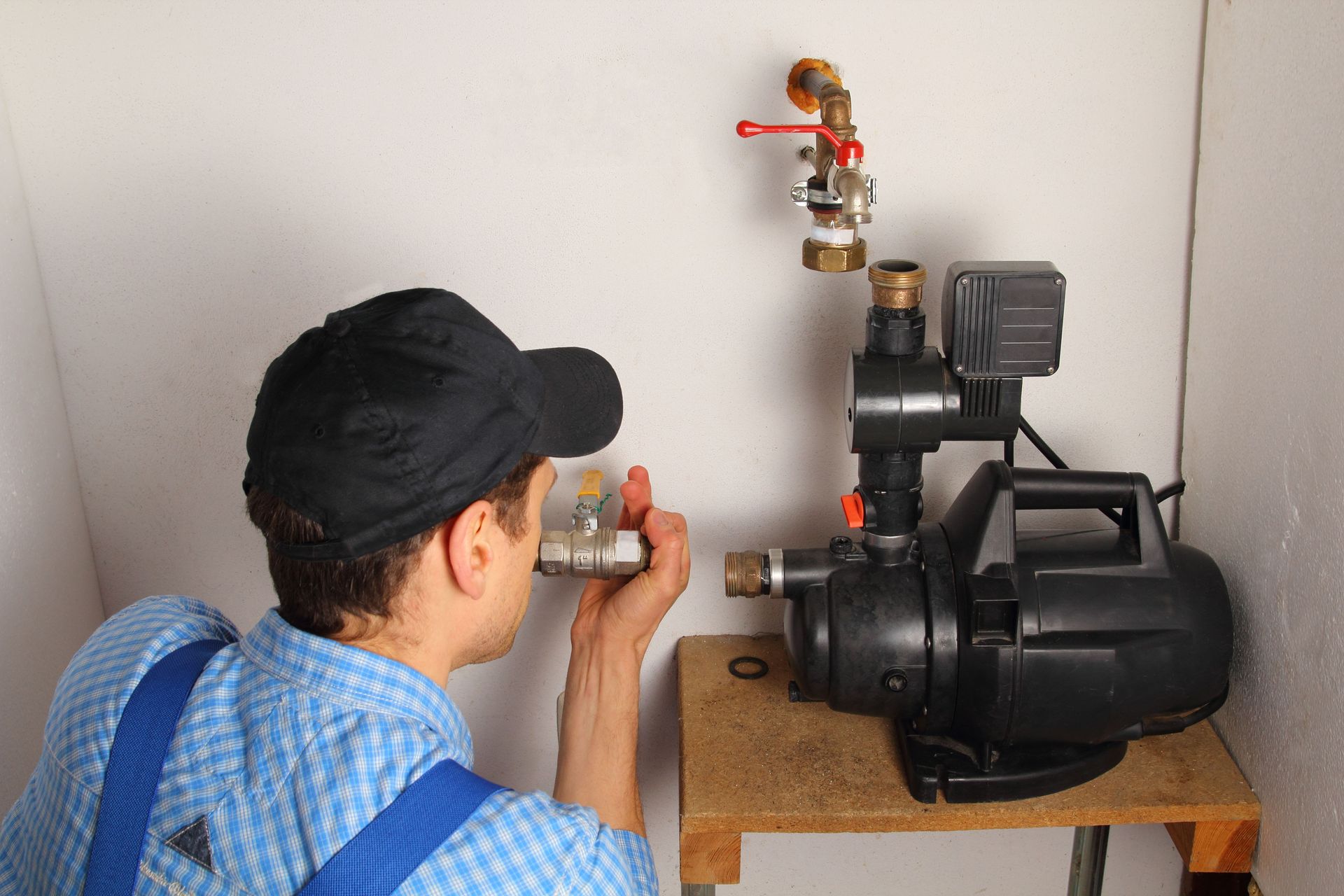
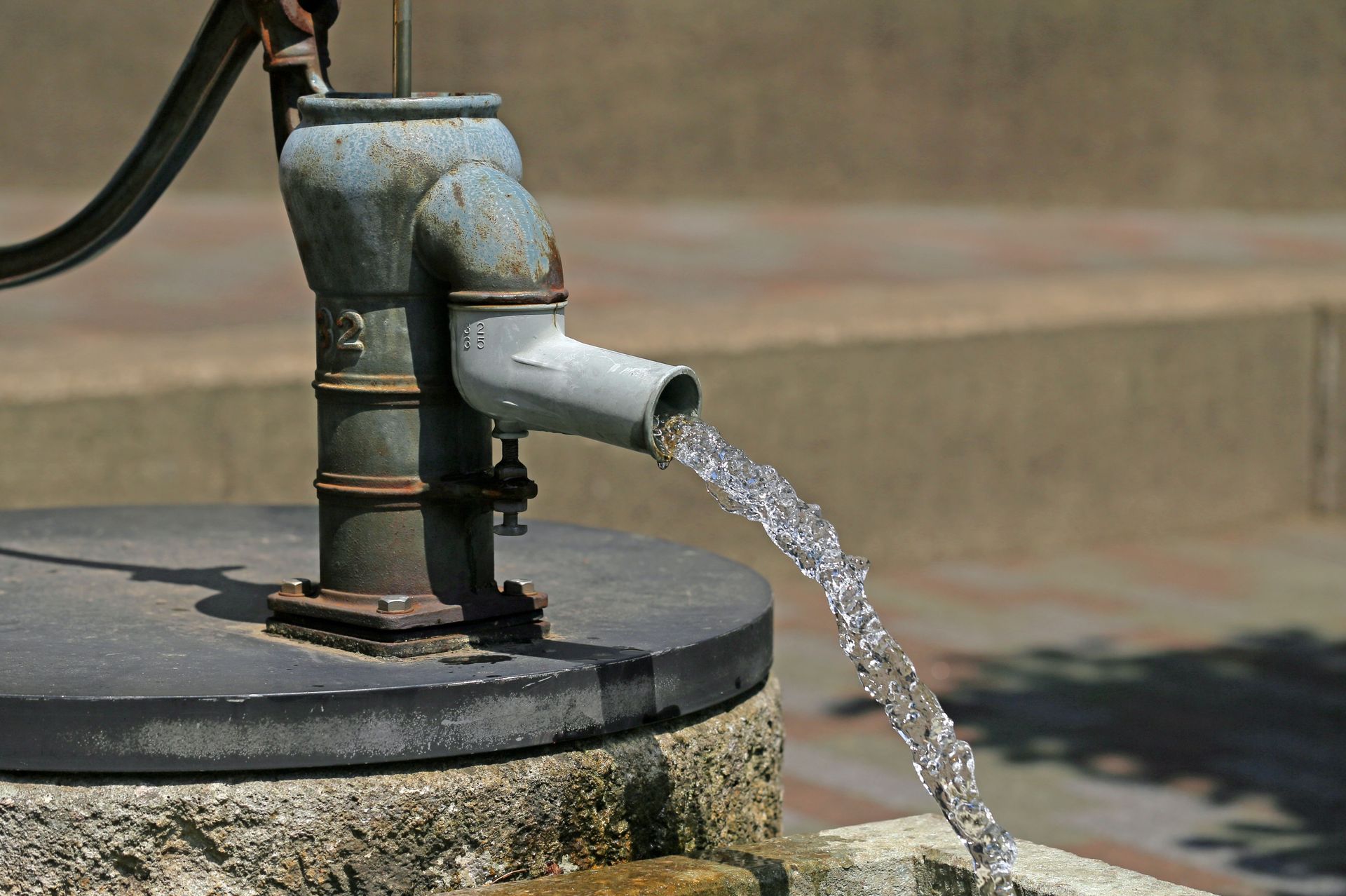
The physical components of your well play a massive role in both the prevention of contamination and the management of water hardness. If the well casing is cracked or the cap is not properly sealed, surface runoff can easily enter the system, bringing bacteria and chemicals with it. Furthermore, the efficiency of your pump determines how effectively water is delivered to your home. As noted by the experts at This Old House, two primary designs dominate the market: jet pumps and submersible pumps. Submersible pumps are located deep within the well and push water upward, whereas jet pumps are typically located above ground and use suction to pull water. Each type has specific maintenance requirements, and a failure in either can lead to a total loss of water or, worse, a breach that allows contaminants to seep in.
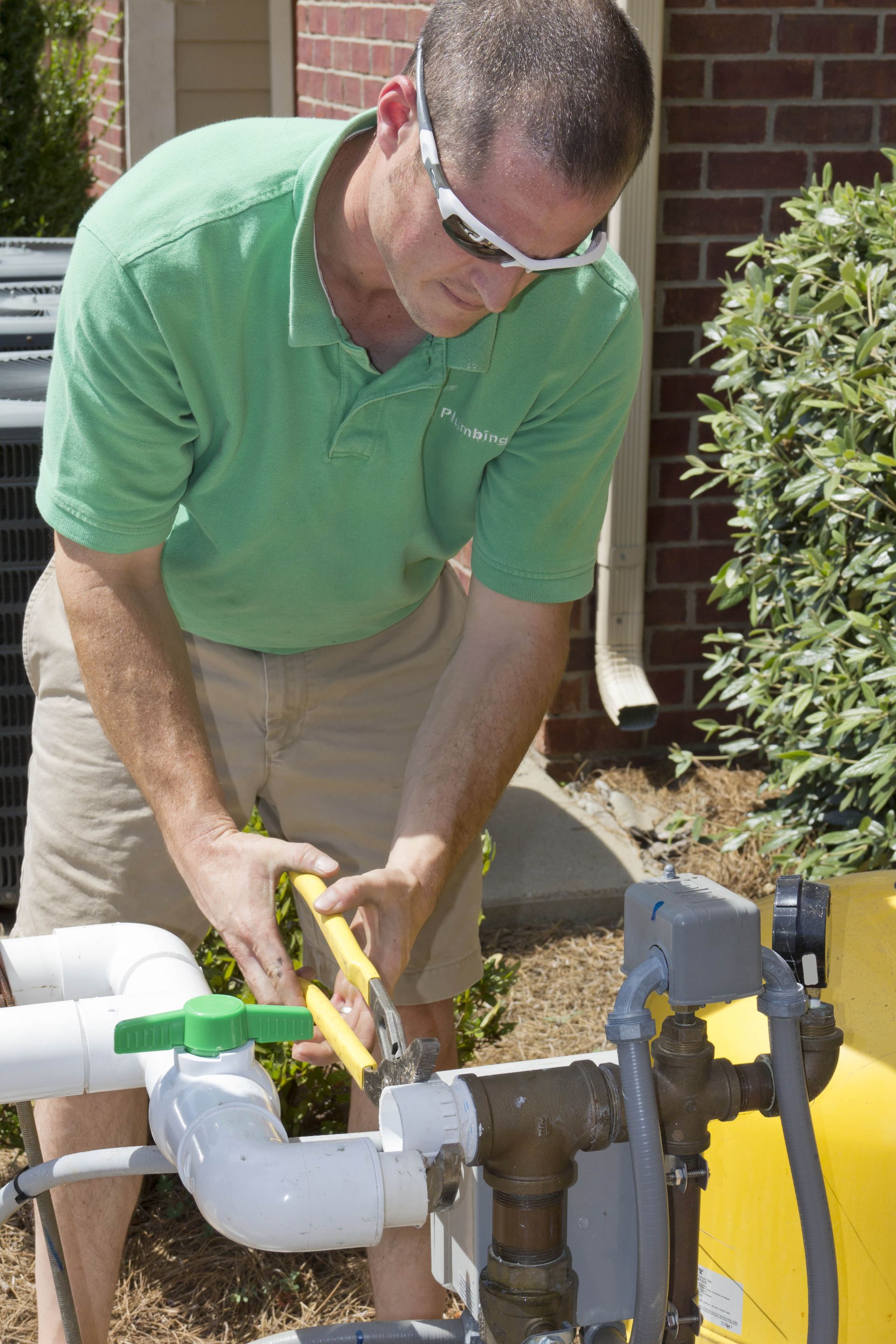
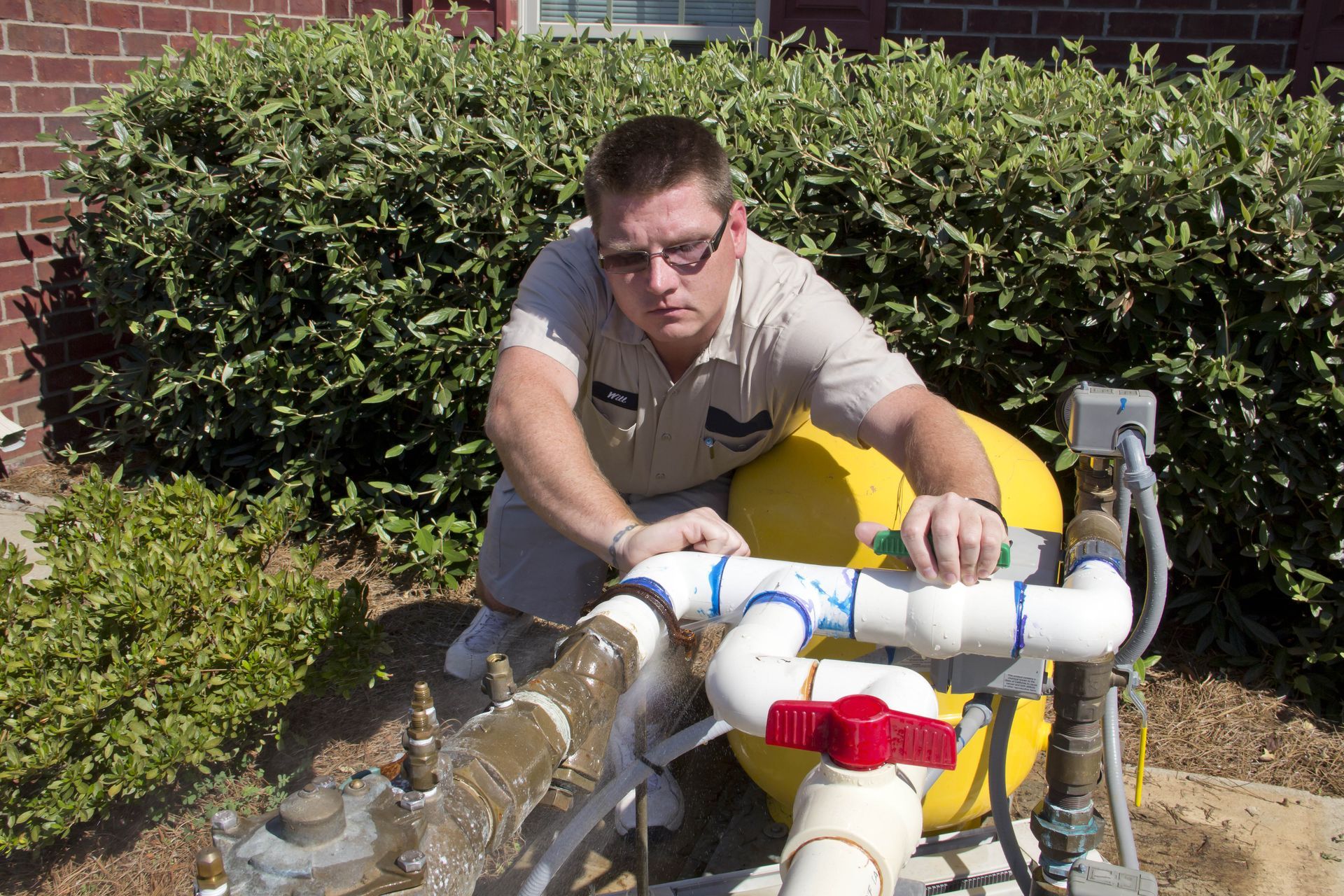
A comprehensive water well service includes a thorough inspection of these mechanical parts. For instance, if your pump is cycling too frequently, it could indicate a pressure tank issue or a leak in the well line. These mechanical stresses don't just affect the flow of water; they can agitate sediment at the bottom of the well, leading to increased turbidity and a higher concentration of minerals or pollutants in your tap water. Using premium products for repairs, such as high-quality stainless steel pumps or durable pressure tanks, ensures that the barrier between your clean groundwater and potential external pollutants remains intact for decades. A skilled water well service technician will look for signs of wear and tear that the average homeowner might miss, such as minor corrosion on the casing or unusual noises from the motor.
Ensuring Long-Term Reliability Through Professional Care
The best way to manage the differences between hard and contaminated water is through a proactive, rather than reactive, approach. Many homeowners fall victim to the myth that as long as water is coming out of the tap, the system is fine. However, groundwater conditions are dynamic. Shifts in the local water table, nearby construction, or even heavy seasonal flooding can alter the chemistry and safety of your well. Relying on local water well service expertise means working with someone who understands the specific soil conditions and common groundwater challenges of the DeKalb and Sycamore areas. This local knowledge is invaluable when diagnosing whether a sudden change in water taste is a harmless shift in mineral content or a warning sign of a nearby chemical leak.
Professional intervention is also the only way to safely handle complex repairs. Attempting a DIY fix on a well system can inadvertently introduce bacteria into the water supply or damage expensive components like the submersible pump. A standard water well service protocol involves not just fixing the immediate problem, but evaluating the entire system to ensure it meets current state regulations and safety standards. This includes checking the "setback" distances from septic systems and ensuring the well head is properly graded to shed water away from the opening. By prioritizing regular professional inspections, you aren't just buying a repair; you are investing in the long-term health of your family and the value of your property.
Understanding the difference between hard water and contaminated water is essential for every well owner. Hard water may damage your appliances and irritate your skin, but contaminated water poses a direct threat to your physical well-being. Both issues require a nuanced understanding of geology, chemistry, and mechanical engineering to resolve effectively. By staying vigilant for signs of change—such as reduced pressure, strange odors, or scaling—and partnering with a professional, you can ensure that your private water source remains a source of life rather than a source of stress. Ultimately, a reliable
water well service helps bridge the gap between simple water access and true water quality.
If you have concerns about the safety or hardness of your water, do not wait for a major system failure to take action. Contact The Well Guy today to schedule a comprehensive water quality test or a system inspection. Our team is ready to provide the expert care and premium products your home deserves to ensure clean, clear water for years to come.