By Dalton Muir
September 4, 2026
Owning a private water supply grants complete independence from municipal utility billing, providing fresh, clean groundwater directly to your household fixtures. However, managing a private system also means assuming sole responsibility for the safety, mechanical health, and operational longevity of your equipment. Unlike public supply lines that undergo continuous testing and regulatory monitoring, private systems rely entirely on property owners to identify mechanical wear, structural contamination, or declining water output. Over time, submerged pumping mechanisms degrade, casing seals crack, electrical pressure switches fail, and mineral deposits choke delivery pipework. Scheduling routine diagnostic evaluations safeguards household health, preserves property value, and prevents sudden mechanical breakdowns that leave families without running water. According to the CDC, well water should be tested at least once a year unless there are recurring gastrointestinal illnesses among household members. If so, the water may need to be tested more frequently. Partnering with certified specialists ensures that subtle equipment flaws, water quality shifts, or biological hazards are identified long before they escalate into major restoration emergencies. Investing in professional water well service transforms complex groundwater maintenance into a predictable, highly manageable routine that protects your family year after year.
Evaluating Aboveground Sanitary Components and Casing
Inspecting surface structures represents the initial defense line in preventing surface runoff, insects, and organic debris from entering your groundwater supply. Certified technicians begin by thoroughly examining the sanitary well cap, surface seal, and vertical casing extending above ground level. The casing must extend sufficiently high above the surrounding grade to prevent heavy rain, floodwaters, or agricultural runoff from pooling near the top of the pipe. Technicians check the outer metal or plastic casing for deep rust, physical fractures, structural shifting, or loose fittings that could compromise internal sanitary integrity. Furthermore, inspectors evaluate the fine-mesh air vent screen beneath the cap to ensure air flows freely while blocking spiders, earwigs, and rodents from nesting inside the pipe. Cracks in the surface seal or missing screening create direct pathways for bacterial contamination, sediment intrusion, and surface pollutants. Enlisting experienced technicians for routine water well service ensures that your surface barriers remain tightly sealed and fully compliant with state health and environmental standards.
Testing Submersible Pump Operations and Electrical Controls
Analyzing internal electrical circuitry, mechanical current draws, and pressure switch operations verifies that underwater pumping machinery operates efficiently without overloading circuit breakers. Submerged hundreds of feet below ground level, the electric pump works tirelessly to lift heavy water columns up to surface storage tanks. During diagnostic testing, technicians measure the electrical voltage, running amperage, and winding resistance of the pump motor using specialized meters. Abnormally high electrical current draws indicate mechanical friction, worn motor bearings, or clogged pump impellers, signaling imminent pump failure. Inspectors also check the electrical control box, pressure switch contacts, and wiring terminals for signs of heat discoloration, corrosion, or pest infestation. Clean, properly calibrated pressure switches ensure that the pump starts and stops smoothly at correct pressure thresholds, preventing motor short-cycling and excessive electrical energy consumption. Relying on professional water well service for comprehensive electrical testing identifies hidden component wear, protecting your expensive submersible pump from premature burnouts.
Checking Pressure Tank Performance and Storage Capacity
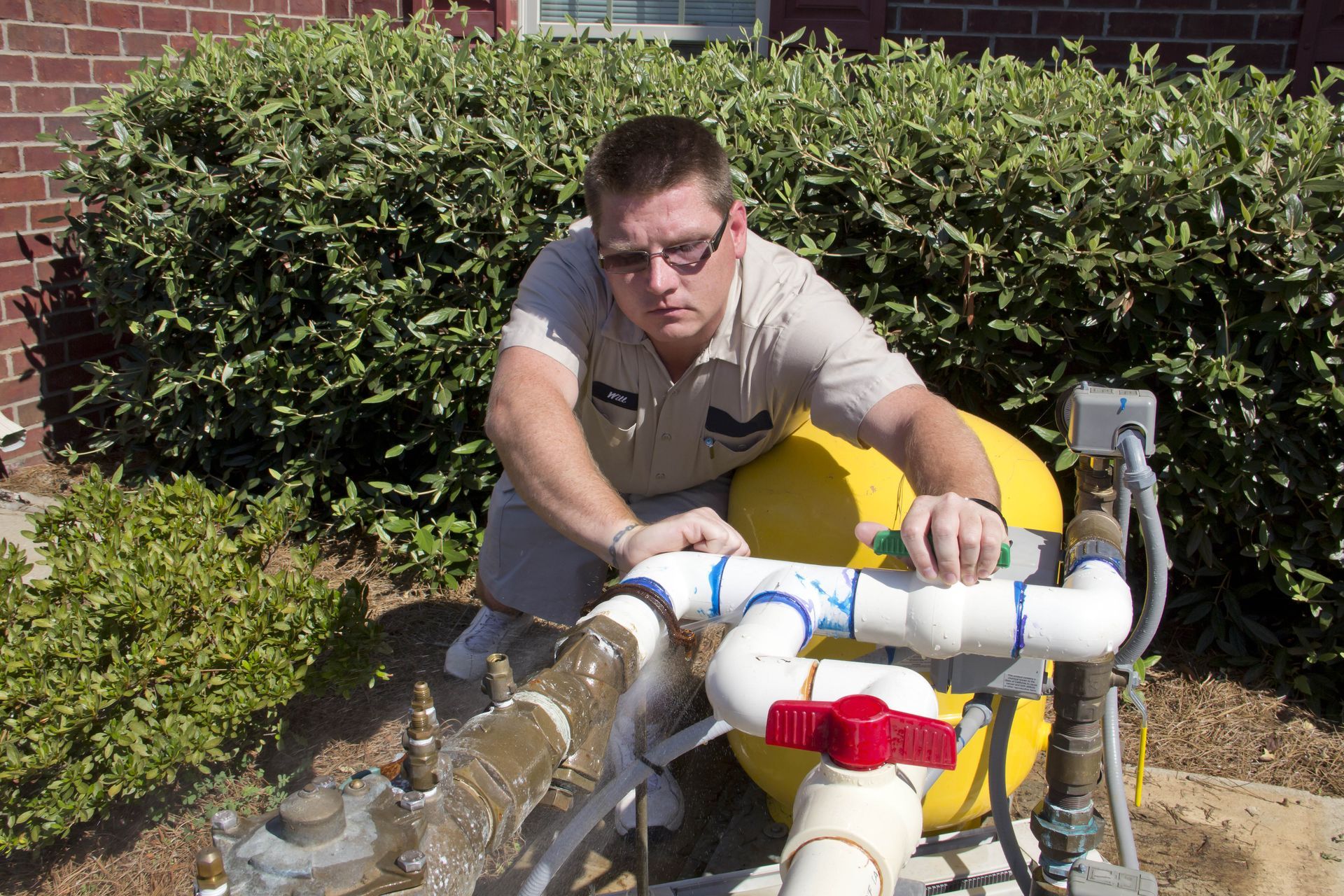
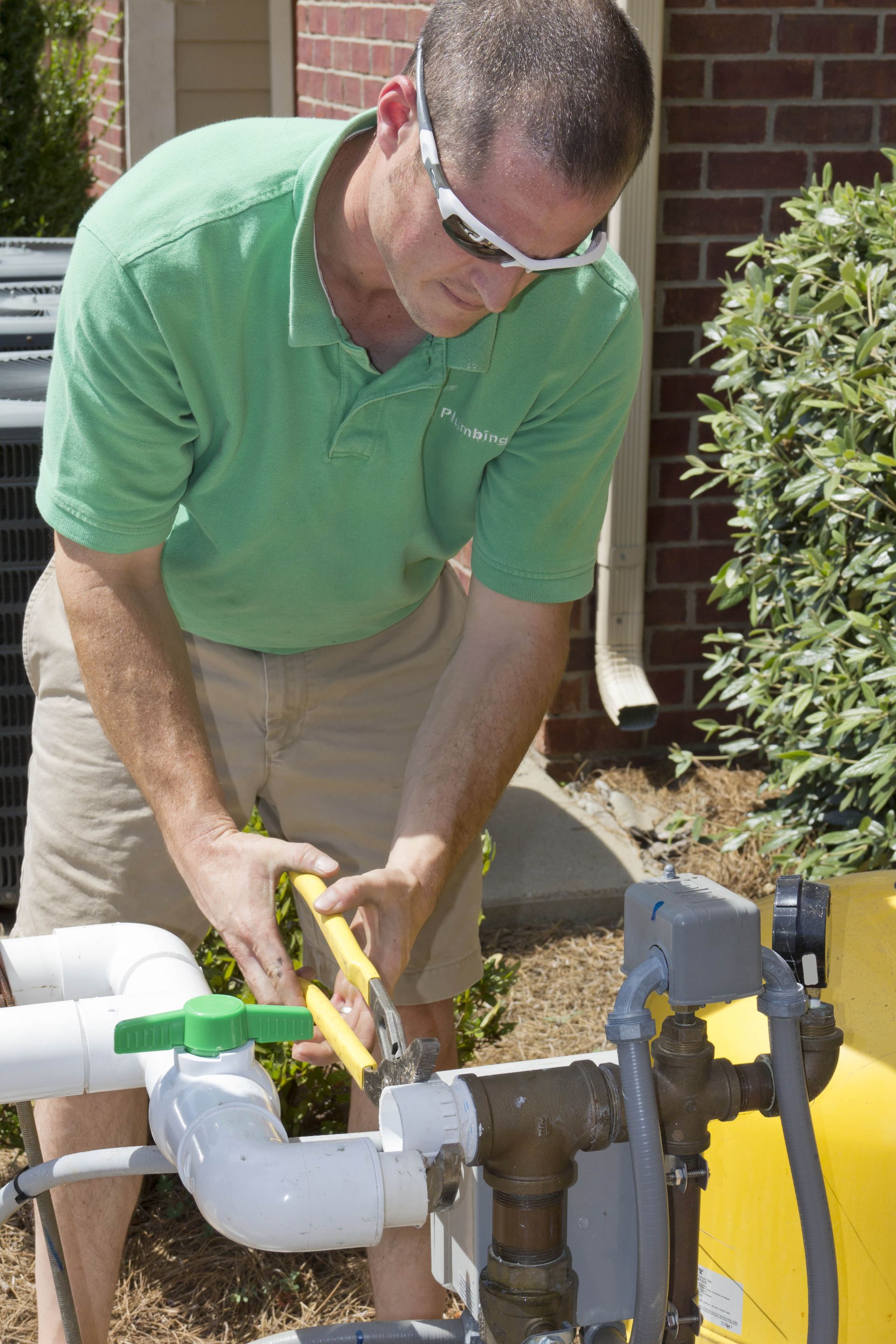
Assessing air-charge balances, internal rubber diaphragms, and drawdown volume within surface pressure tanks prevents severe mechanical stress on pumping machinery. The pressure tank serves two vital purposes: maintaining consistent water pressure at household faucets and storing a pressurized reserve that reduces how frequently the pump motor must cycle on. Over time, internal rubber bladders degrade, leak air, or become completely waterlogged, forcing the pump to turn on every single time a tap opens. Rapid short-cycling places extreme mechanical stress on motor windings, drastically shortening the lifespan of both the pump and control electronics. Technicians measure the tank's static air pressure using specialized gauges, checking for water leaks around air valves and inspecting outer steel shells for severe rust or tank wall thinning. Properly adjusting internal air pressure restores correct drawdown volume and smooths out pressure surges throughout your plumbing lines. Regular inspection through expert water well service keeps storage tanks performing optimally, ensuring steady water flow at every fixture in your home.
Measuring Flow Rate, Water Yield, and Sustained Pumping Capacity
Determining total water output, recovery speed, and sustained yield ensures that your subterranean aquifer reliably supports daily household demands. Over years of operation, mineral encrustation, sand intrusion, or dropping regional water tables can restrict flow pathways inside the well screen, reducing total gallons per minute yield. During flow rate testing, technicians run the system continuously for a designated period, measuring precise water volume output while tracking dynamic water levels inside the casing. Monitoring water level drawdown reveals how fast the surrounding water-bearing rock layers supply water to the pump during heavy usage. If recovery rates drop significantly, technicians can recommend specialized restoration procedures, such as chemical cleaning, high-pressure surging, or deepening the borehole. Understanding your system's true sustained yield helps prevent pump dry-running, which damages internal impellers and burns out motor assemblies.
Sampling Water Quality for Biological and Chemical Contaminants
Collecting precise fluid samples for laboratory analysis identifies invisible chemical compounds, heavy metals, total dissolved solids, and dangerous bacterial strains. Groundwater naturally filters through rock layers, picking up mineral elements that affect taste, smell, clarity, and overall safety. Technicians draw unrefined samples directly from the wellhead before fluids pass through any home filtration systems or softening units. Laboratory testing evaluates core parameters, including pH levels, iron content, hardness minerals, nitrates, sulfates, and heavy metals like lead or arsenic. Additionally, microbiological testing detects coliform bacteria and E. coli, which indicate recent surface water intrusion or sewage contamination nearby. Receiving a comprehensive water quality report empowers homeowners to select targeted filtration, ultraviolet sterilization, or water softening equipment tailored to their exact fluid chemistry.
Reviewing Physical System Documentation and Maintenance History
Documenting baseline performance metrics, mechanical serial numbers, component age, and historical repairs establishes a clear blueprint for future system care. Comprehensive inspection reports provide homeowners with detailed written evaluations covering every aboveground and belowground component tested during the visit. Having accurate historical records simplifies troubleshooting when future mechanical issues arise, allowing technicians to compare current electrical draw, water pressure, and flow yields against past baseline data. Furthermore, detailed maintenance documentation proves invaluable during real estate transactions, reassuring prospective buyers that the private water infrastructure has been meticulously maintained. Inspectors review system depth, pump setting levels, static water line measurements, and historical water test results to outline proactive component replacement schedules.
Maintaining a private groundwater system requires continuous mechanical oversight, precise electrical testing, structural sanitary checks, and regular water quality sampling. Recognizing the key phases of a professional evaluation—such as inspecting surface casing, testing pump electronics, checking pressure tanks, measuring sustained water yield, analyzing fluid chemistry, and keeping detailed records—helps homeowners protect their property investments. Proactive maintenance catches minor mechanical fatigue and water contamination issues before they transform into costly pump failures or health hazards. Investing in expert professional diagnostics ensures that your private water infrastructure operates efficiently, safely, and reliably through every season. Protecting your household drinking supply requires choosing dedicated specialists who combine deep geological understanding with modern mechanical precision. At The Well Guy, we take immense pride in delivering top-tier well evaluations, precise diagnostic troubleshooting, custom filtration installs, and honest customer care to keep your water flowing strong. Contact us today to schedule your comprehensive system evaluation, review your water quality options, or discover how our experienced team can safeguard your private water supply for years to come.